A good friend of mine worked at Facebook in 2016.
There were many rumors at the time that the company was secretly listening to users and reading their WhatsApp messages so it could serve highly targeted ads.
I asked him about it once when we met for a beer, but I didn't expect him to admit it, even if it were true. But he said something that I still remember:
Everyone thinks they're unique, but people are very similar and very predictable. You don't need to secretly listen to their conversations or read their messages.
Whether the rumors were true or not, he was right.
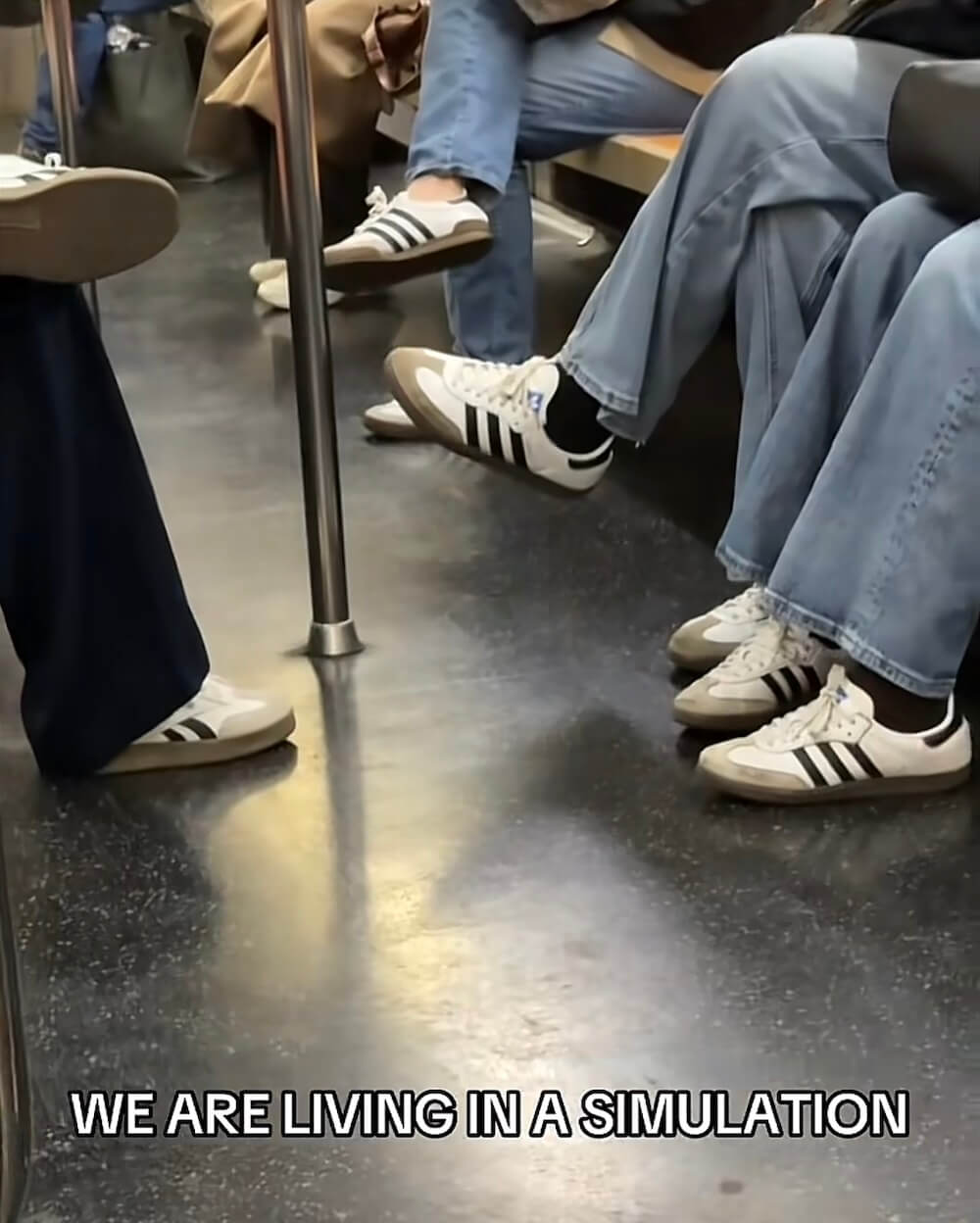
I see it with all these people who pitch me their "unique" hospitality ideas and ask for feedback.
90% of these ideas fall into four or five popular categories.
Here's an example of a conversation:
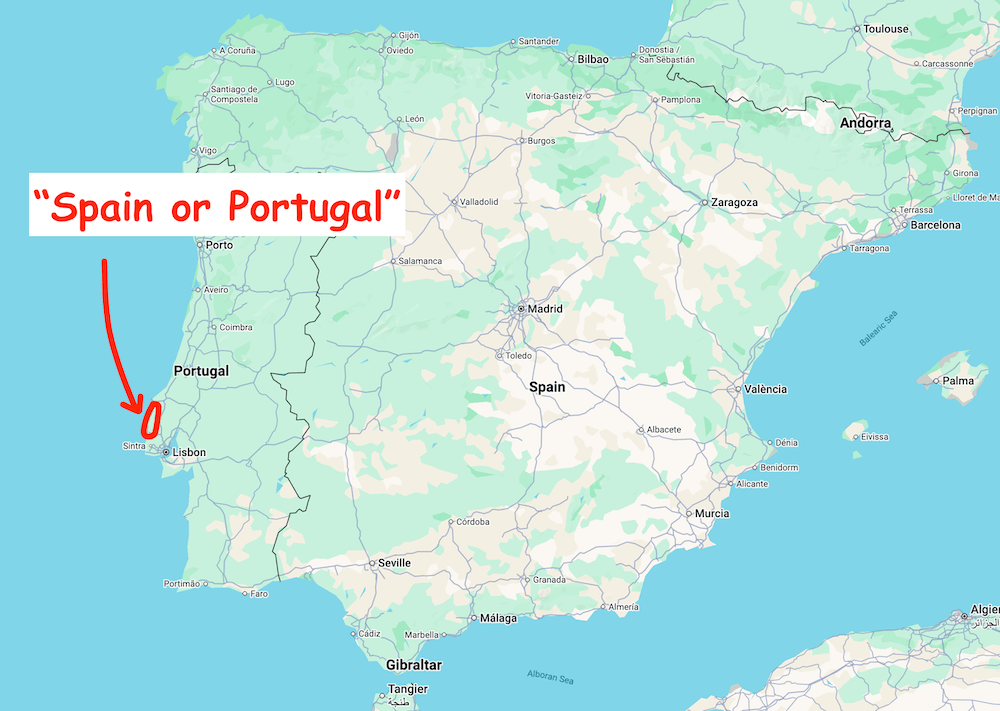
I would like to open a cool glamping site in Spain or Portugal…
Somewhere around Ericeira?
How do you know?
You probably want to have an outdoor sauna with a cold plunge?
Waaaait, how do you know?!?!!!!!!!!
Well, because about 30 people have pitched me a very similar idea over the last three years. I've seen some more developed projects with renderings, and all of them have very similar aesthetics.
What else did these people have in common? They all thought their idea was very unique.
I could give you a bunch of other examples, but I don't think that's necessary. You get the point.
Don't learn from Accor
Accor has about 45 hotel brands.
Do you know when they last developed a successful in-house brand? About 40 years ago.
Successful = it scales (which also means it's a profitable and competitive product)
The last successful brand Accor developed in-house was Novotel. All the successful brands that came after Novotel were acquired.
How is it possible that a leading global hospitality company with practically unlimited resources can't develop a new brand?
The answer: Unique POV and scarcity.
Unique POV (point of view) and scarcity
Let me explain this with a quick, humble switch from Accor to my own little coliving brand.
When I started my coliving project in 2013, I knew very little about hospitality.
I was naive, brave, and lucky too, so it worked out.
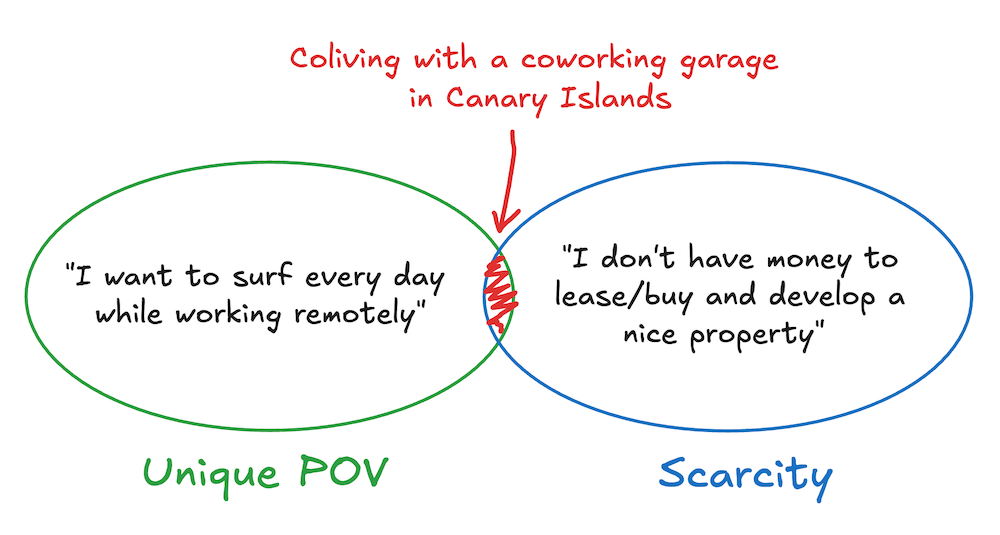
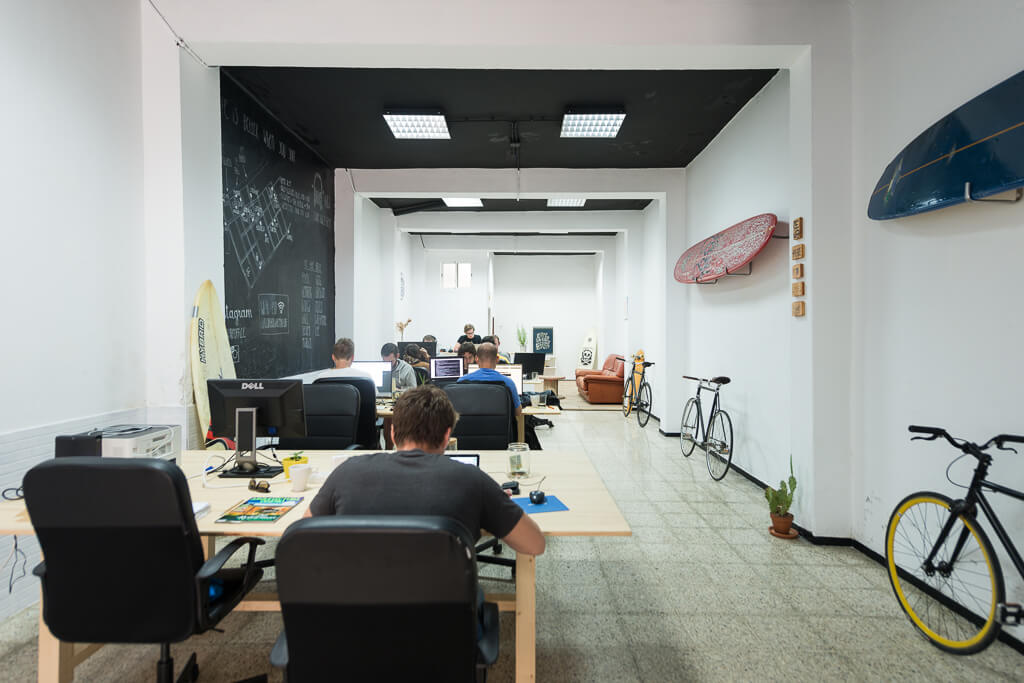
- Unique POV: I wanted to be close to the beach and attract remote workers who wanted to surf every day. I built the concept for myself, and I knew it was super niche at the time. But I also knew that if I tried to attract people from all over the world, I might be able to fill my 10 or so rooms. It wasn't an easy task!
- Scarcity: With very few resources, I started by renting two- or three-bedroom apartments. Then I needed a coworking space, so I rented a converted garage in the neighborhood. These apartments and the coworking space were not in the same building, which was a bit confusing for people when they arrived.
People saw the website, understood the concept, and connected with the authentic content. Somehow, it all worked together!
It wasn't my master plan from the beginning.
Everything evolved organically while I was following my dream of creating a surf office.
I simply didn't have the money to execute it the way I'd originally imagined (a boutique surf coworking hotel).
When I look at all the unique hospitality concepts I admire, they all have these two things that Accor can't replicate.
Accor has hundreds of people with opinions, so any unique POV will eventually become mediocre after hundreds of meetings and iterations.
And they have practically unlimited resources and investors with very high ROI expectations, which severely limits their creativity.
My favorite examples
Some of my favorite examples that combine (or combined) a strong POV with scarcity:
- AutoCamp: Very few people know that this famous glamping brand started with just five Airstreams (unique POV) on a small lot (scarcity) in Santa Barbara.
- The Phoenix Hotel: This hotel in San Francisco, developed by a hotel veteran Chip Conley, is considered one of the first boutique hotels. It was a converted 44-room motor lodge in one of the worst neighborhoods in SF (scarcity), targeting touring bands that didn't want to stay in conventional hotels (unique POV).
- Outpost X: A sci-fi micro-resort in the Utah desert (scarcity), built by a fan of Star Wars and Burning Man (unique POV).
- Hytta: A coworking cabin built by two tech guys who wanted a productive escape into nature (unique POV) for themselves. But to finance it, they needed to rent it out to others (scarcity).
- Rooral: A coliving space in a small, abandoned village, built by an ex-tech bro who wants to show other tech bros what slow living with grandmas in Andalucía, Spain, looks like (unique POV). The municipality provides the coworking space (scarcity).
- Unplugged: Digital detox cabins created because the founders experienced burnout from their tech jobs in London (unique POV). They use a revenue-sharing model with farmers across the UK because they didn't have the money to buy or lease land (scarcity).
These are quite strong examples, but neither the POV nor the scarcity needs to be so radical.
They also don't guarantee that you'll scale (which isn't a goal for many people anyway), but they can give you a marketing and competitive edge.